The question I started with
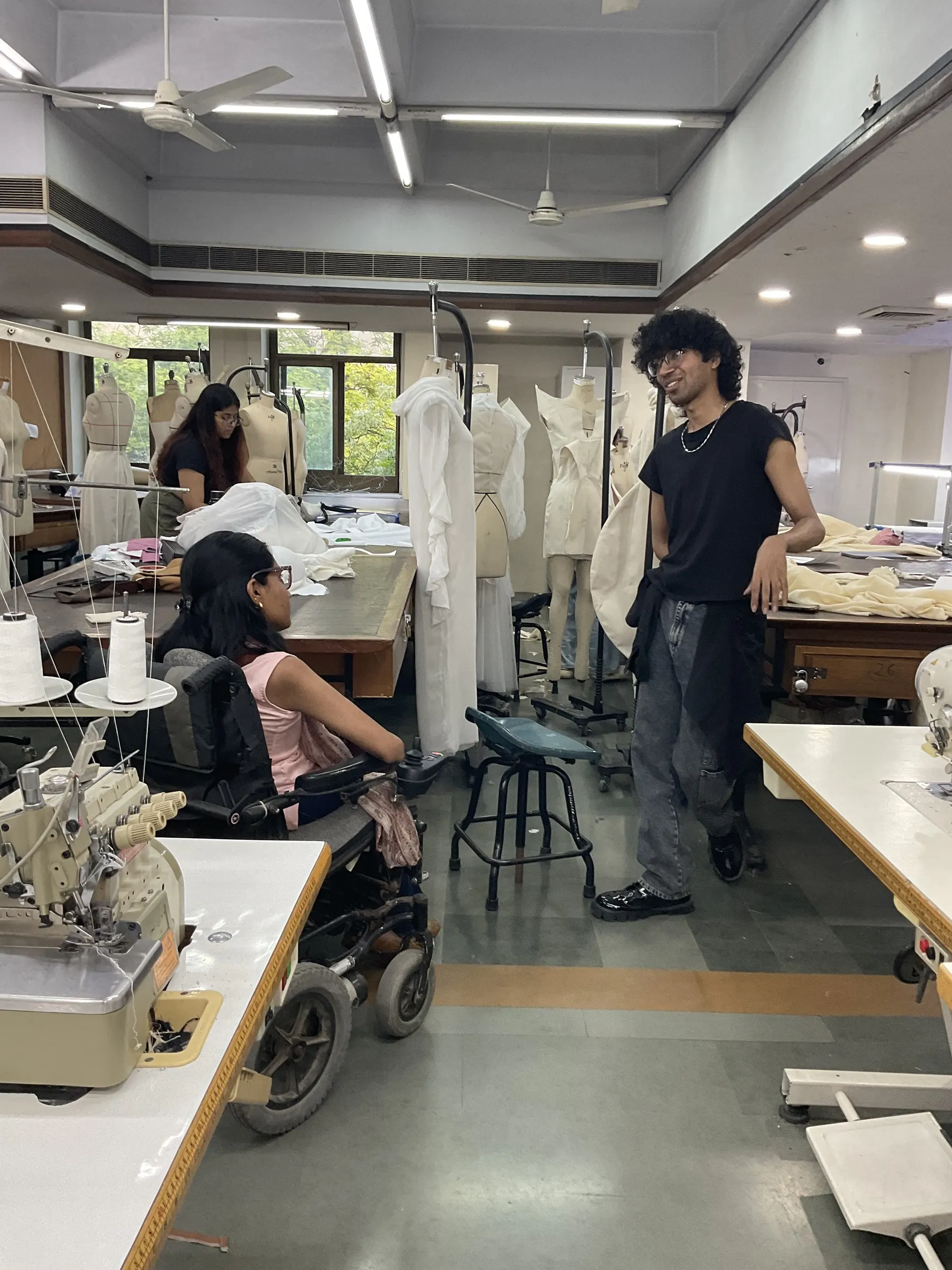
Students at NIFT graduate knowing accessibility matters. Very few graduate knowing how to design for disabled people. I'd seen that gap from both sides, as a design student and as a disabled customer, and I wanted to know what it would take for the curriculum to close it. The Javed Abidi Fellowship on Disability, run by NCPEDP, supports young people working on disability rights in India. It gave me a year to find out.
What the research led to
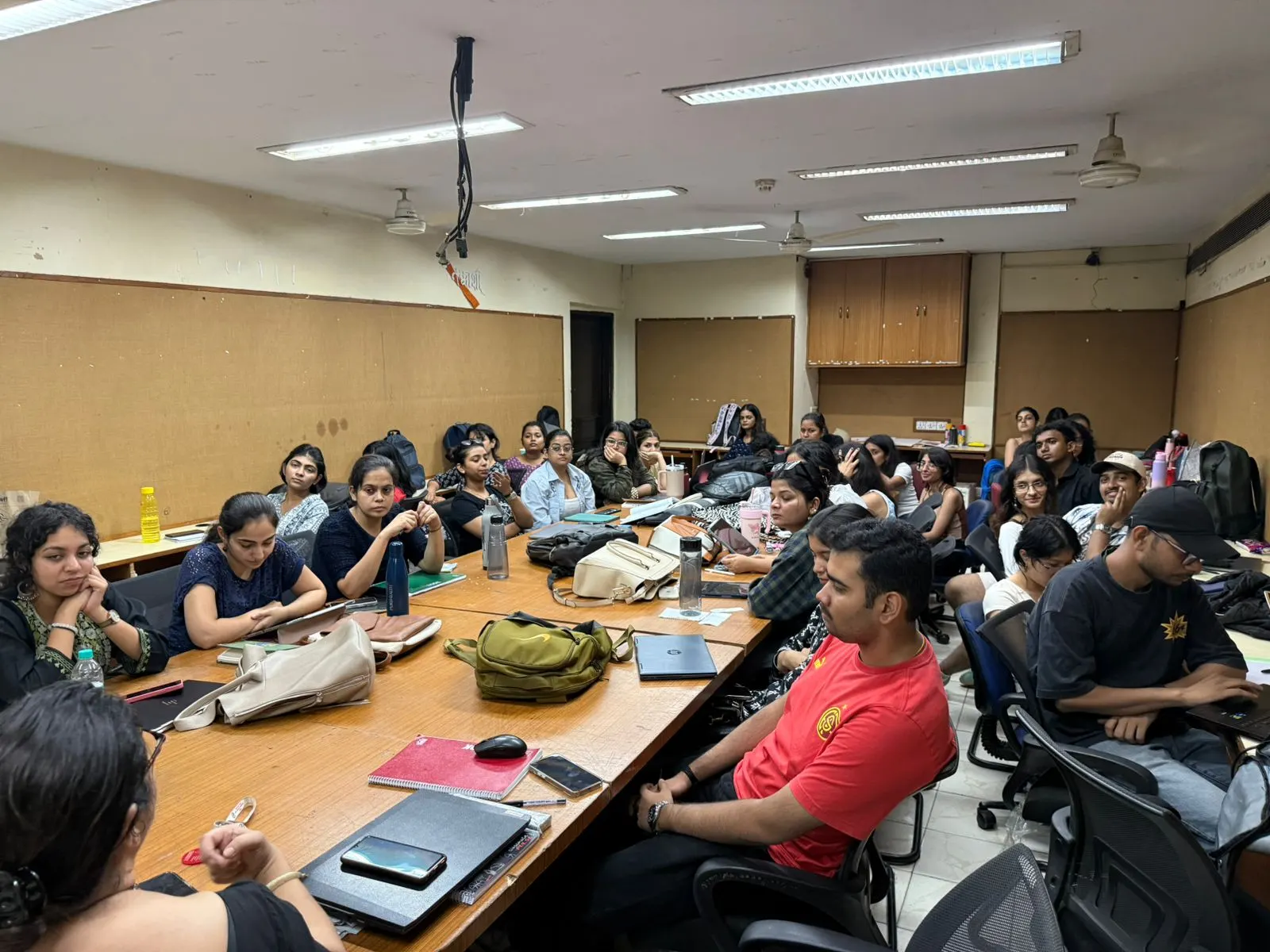
I expected to find indifference. I surveyed 116 design students and spoke with NIFT faculty, department chairpersons, and disabled people about the products they use every day. What came back surprised me: 74.1% of the students wanted to learn more. But of the 115 who rated their own confidence, 80% put themselves at 3 or 4 out of 5: aware of accessibility, and only partly sure what to do with it. I began looking more closely at how the curriculum could help students put that interest into practice.
The policy brief I wrote proposes building inclusive design into the programme in stages, from a mandatory foundation module through to graduation work. Faculty training and proper assessment would support it throughout.
Today
-
One optional elective, midway through the programme
Proposed
-
Foundation builds awareness, early in the programme
A mandatory module, early in the programme
-
Practice builds methods, from early on until graduation
Regular co-design with disabled people
-
Integration builds independent practice, from midway to graduation
Built into existing studios, electives and graduation work
-
Held up throughout, throughout the programme
Faculty training, clear assessment and a support cell
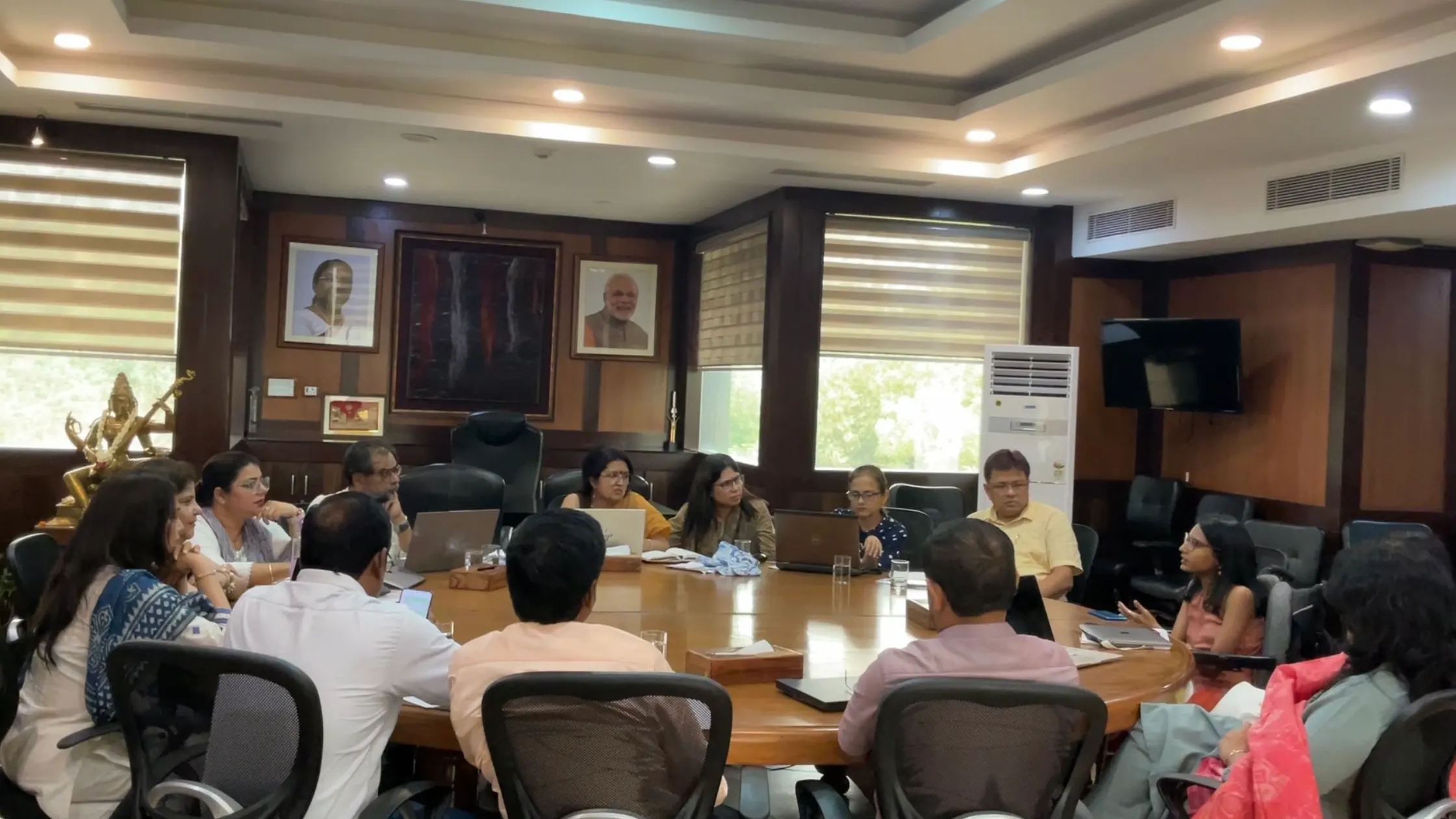
Experts at IIT Delhi, World University of Design and UAL (University of the Arts London) reviewed it. NIFT’s Dean (Academics) has shared it with department chairpersons as reference material.
The blind spot
What stayed with me from those interviews wasn't in the numbers. Most students saw disabled people as someone to help. They hadn't considered us as customers with our own taste, shopping around and picking one brand over another. And these were people who wanted to learn. If a brand doesn't picture us buying from it, that shows up in what it makes and how it speaks to us.
So when I work with a founder now, one of my first questions is who the product leaves out. I want us to check those assumptions before they shape the product and the brand.